

Read our stories
Listen and watch
Play our games
Enjoy our activities
Welcome to Ask A Biologist. This site has a large collection of biology learning materials that includes stories, games, activities, videos, and a podcast.
Read our stories
Listen and watch
Play our games
Enjoy our activities


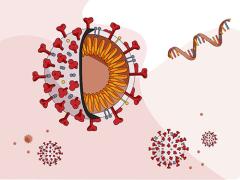

Some people gaze out at the landscape and see plants. Associate Professor Kathleen Pigg of Arizona State University sees the latest chapter in a long story.

What would life be like on other planets? This is just one of many questions that Biochemist and author Nick Lane talks about while visiting with Dr. Biology. Listen in as Nick explores not only life on our Earth, but also what it might be like on other planets. Nick also reads…
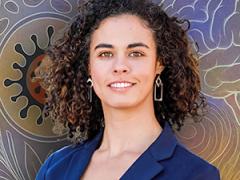
Why do peanuts, pollen, or pet dander make some of us sneeze or swell up—but not others? In this episode, Dr. Biology talks with immunologist Esther Borges Florsheim from Arizona State University to explore how allergies start, why they’re becoming more common, and what’s really…



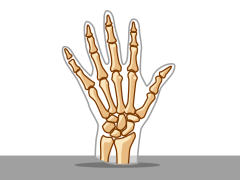
Explore the Bone Anatomy Viewer
Ever wonder what’s inside your bones? Here’s your chance to find out! Dissect a virtual bone and learn…
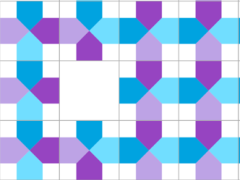
Play the Bionanoengineering Game
Basic building patterns can be used to think about how technologies are built at the nano-scale. Try your hand…

Build your own monster by decoding the monster genome in Monster Maker, a DNA game. It is not very different from what…

In EcoChains: Coral Futures, your mission is to build and protect a thriving coral reef ecosystem. You’ll build your reef…


