

Bewick's Wren
Thryomanes bewickii

Perching
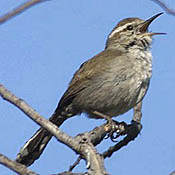
Length: 5 in. (13 cm )
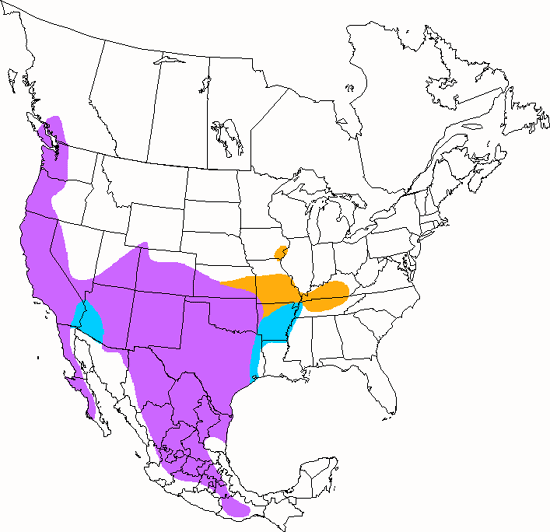
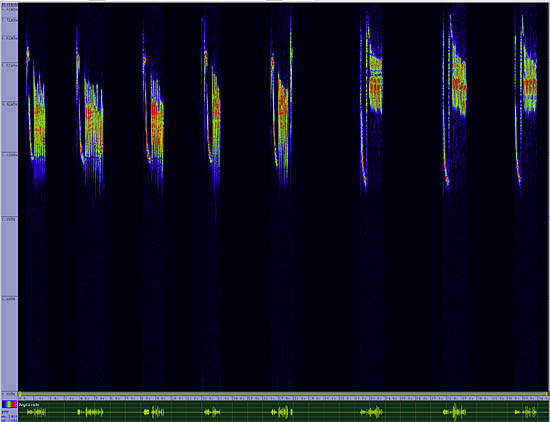
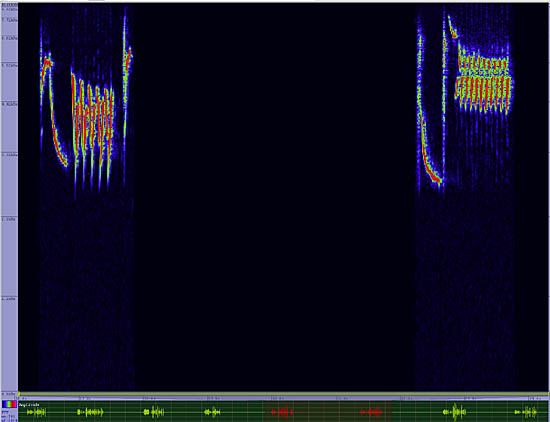
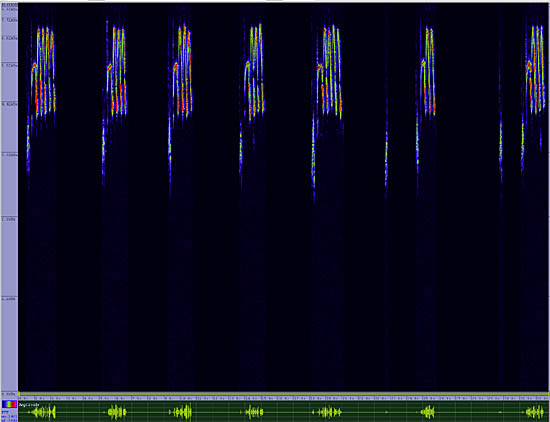
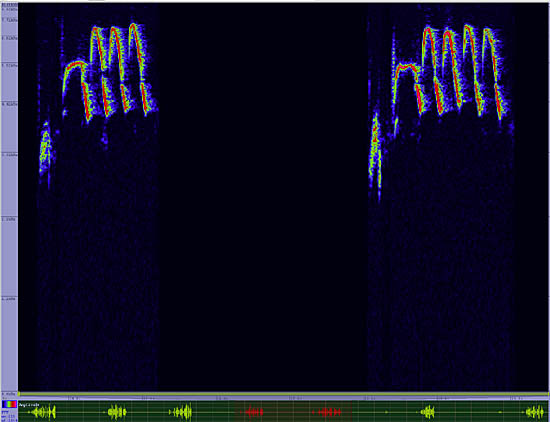
With the long tail cocked up over it back, this noisy wren is obvious in bushy undergrowth and shrubby areas. It makes its nest in a low tree hole or other cavity and occasionally in the dark recesses of old buildings. It feeds almost exclusively on insects and spiders that it takes from leaves and vegetation. The song of the male varies tremendously across its range. East of the Mississippi River its populations are declining noticeably.
The four-digit banding code is BEWR.
Male |

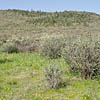
Chaparral
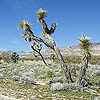
Desert
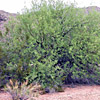
Mesquite bosque
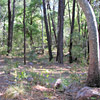
Oak-pine woodland
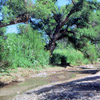
Riparian / River forest
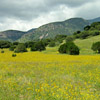
Savanna
Shrubs
You may need to edit author's name to meet the style formats, which are in most cases "Last name, First name."
https://askabiologist.asu.edu/activities/bird/bewicks-wren
Bibliographic details:
- Article: Bewick's Wren
- Author(s): Dr. Biology
- Publisher: Arizona State University School of Life Sciences Ask A Biologist
- Site name: ASU - Ask A Biologist
- Date published:
- Date accessed:
- Link: https://askabiologist.asu.edu/activities/bird/bewicks-wren
APA Style
Dr. Biology. (). Bewick's Wren. ASU - Ask A Biologist. Retrieved from https://askabiologist.asu.edu/activities/bird/bewicks-wren
American Psychological Association. For more info, see Purdue's OWL APA style guide
Chicago Manual of Style
Dr. Biology. "Bewick's Wren". ASU - Ask A Biologist. . https://askabiologist.asu.edu/activities/bird/bewicks-wren
Dr. Biology. "Bewick's Wren". ASU - Ask A Biologist. . ASU - Ask A Biologist, Web. https://askabiologist.asu.edu/activities/bird/bewicks-wren
For more info, see Purdue's Chicago style guide
MLA 2017 Style
Modern Language Association, 7th Ed. For more info, see Purdue's MLA style guide

Be Part of
Ask A Biologist
By volunteering, or simply sending us feedback on the site. Scientists, teachers, writers, illustrators, and translators are all important to the program. If you are interested in helping with the website we have a Volunteers page to get the process started.
