
Ecological relationships
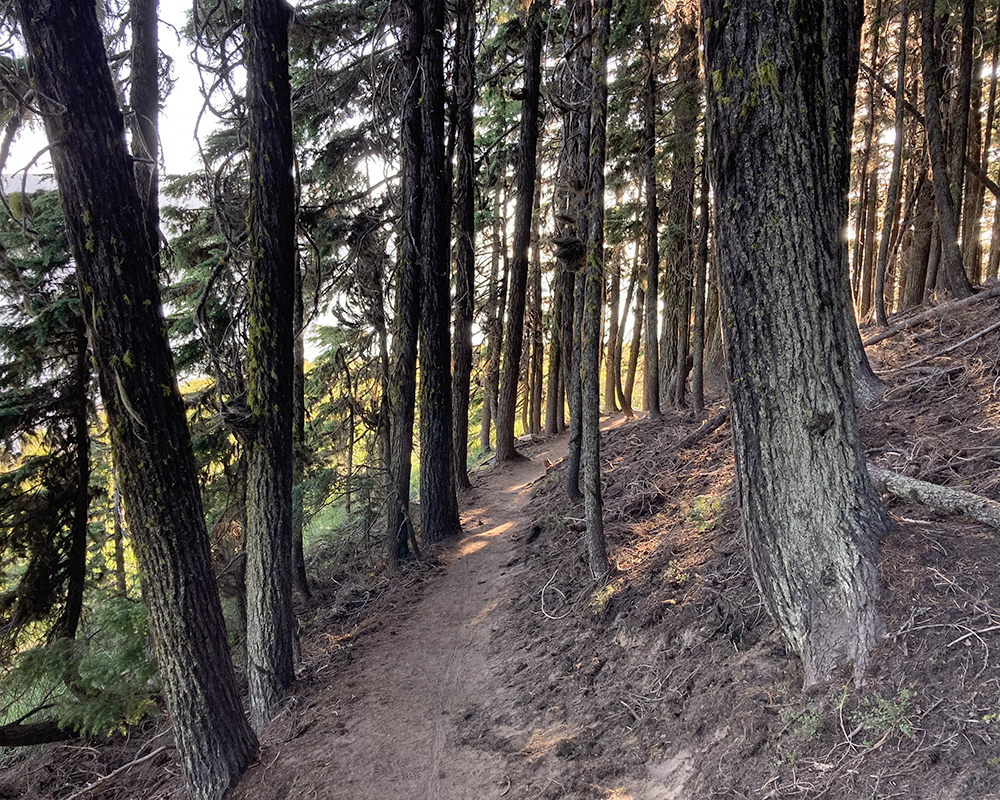
an animal that eats other animals to survive. For example, a lion is a predator... more
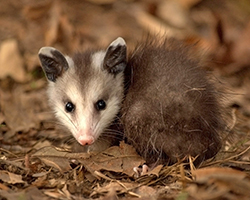
Eat. Hop. Eat more. Find Shade. Sleep. Repeat.
To an outsider, it may seem like kangaroos live an easy life. Without many predators besides humans to worry about, they get to hop around, grazing on grasses during the evenings and nights, and lay down in the shade during the heat of the day. But a lot more goes into surviving in the wilds of Australia and New Guinea.
 Zack Graham
The blood or haemolymph of blister beetles is similar to that of other insects in that it contains nutrients (taken from the food that the beetles eat) that are carried around to the various organs within the beetle's body where they are used to run the internal parts of the bug. The organs also dump their waste products into the blood, which carries them to a special organ that removes these unwanted materials so they can be excreted by the beetle.
Trap-jaw ants come with spring-loaded jaws that can snap shut faster than any other animal's. But they may also use their jaws to catapult themselves through the air.
 Andrew Burchill
Many animals, including humans, build homes to live in. But when you have a home, you often need to work hard to defend it. In this article scientists discovered a peaceful defense mechanism that giant honeybees use to fend off predators and protect their homes.
 Melinda Weaver
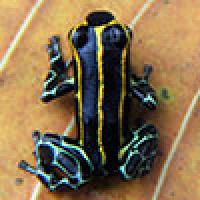
Peruvian poison frogs mimic, or look like, other poison frogs that live in the same area. But they don't just look like one other species. Depending on the location, frogs of this species may mimic one of many other species of poison frog.
 Kyle Summers