
Virtual Microscope
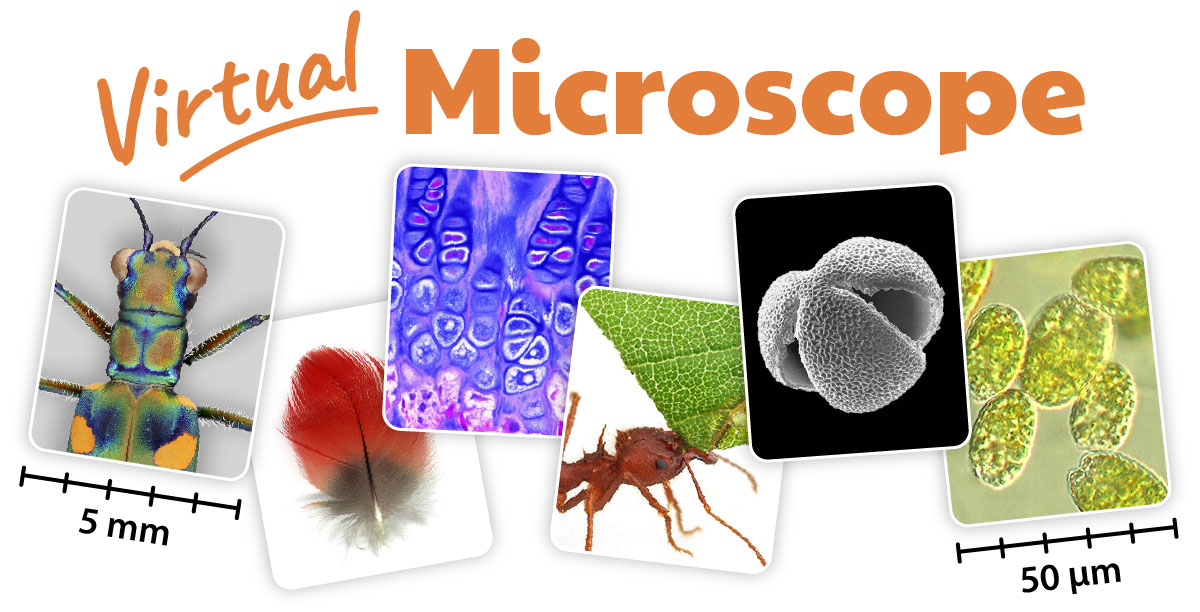
Our virtual microscope is almost like having 3 different microscopes of your own.
You can look at cells and plankton like you would through a compound microscope, or you can look at ants, beetles, and feathers like you would through a dissection microscope. We also have one special pollen gallery that lets you view these tiny pollen grains so close up, it’s as if you had a scanning electron microscope.
Pick one of the galleries below to explore and have fun zooming in and moving around each image.

Check out these amazing animals from the safety of your own computer. You might find fierce-looking mandibles, ants with huge heads, or ants that are much thinner than you would expect. Fun fact–these ants are worker ants, so they are all female.

Take a look at the microscopic world of bone in our virtual bone histology lab. You’ll pick a microscope slide and click on it to explore the different parts of the bone. Move around on your own or you can click on zoom spots to move to a specific part of the bone.
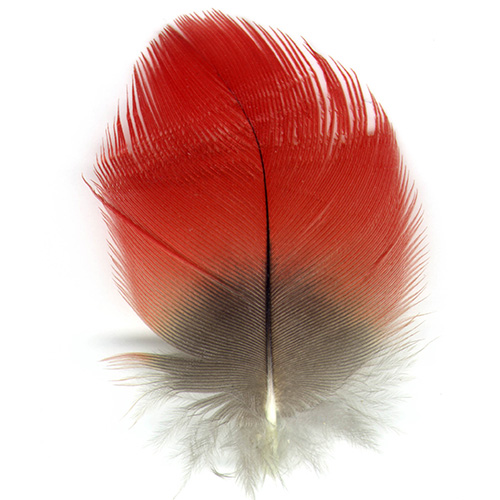
There is nothing like seeing a feather up close. To help you do this we borrowed some feathers from some of our scientists and researchers and took pictures with a special scanner and microscope so you can get a close look at them.
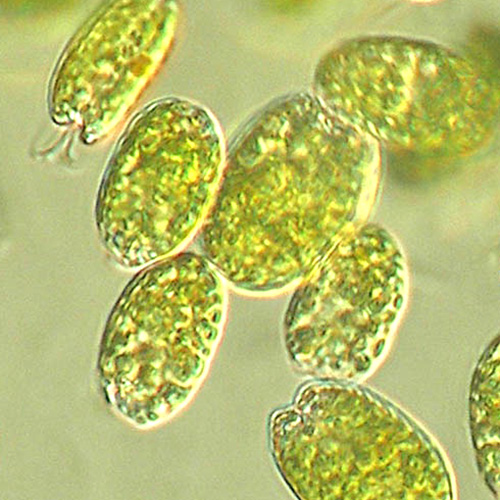
When you swim in the ocean and see clear water, it might look empty. But, it’s actually filled with millions of tiny living organisms. The word “plankton” describes a way of movement (drifting in water), so this group of organisms is very diverse. Click on any of the plankton samples and use the zoom tool to explore the different shapes and textures of these aquatic organisms.

Pollen comes in many shapes and sizes. These are just a few of the thousands of examples. If spring allergies make you sneeze, it’s because tiny grains like these are floating through the air and into your nose! Click on any of the pollen grains in the gallery and use the zoom tool to explore the shapes and textures of pollen. These images are all from a scanning electron microscope (S.E.M.).
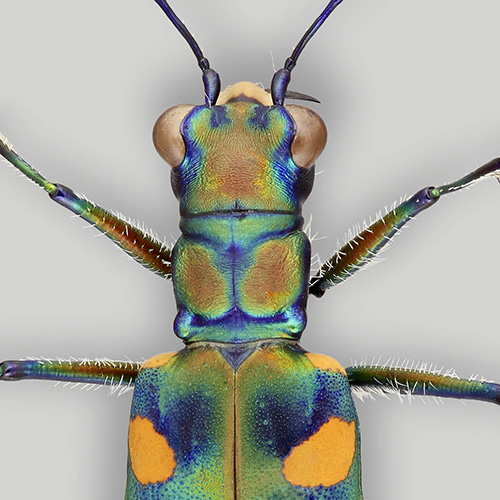
Some of the fastest animals on Earth are in this gallery. That’s right, if these tiny insects were as large as a horse they would be running 200 miles an hour. These tiger beetle images were captured using a special microscope and software that takes many pictures at different depths and then builds a single, sharp image.

Be Part of
Ask A Biologist
By volunteering, or simply sending us feedback on the site. Scientists, teachers, writers, illustrators, and translators are all important to the program. If you are interested in helping with the website we have a Volunteers page to get the process started.
