
 Gayetri Ramachandran
one-celled, microscopic organisms that grow and multiply everywhere on Earth. They can be either useful or harmful to animals... more
Gayetri Ramachandran
 Karla Moeller

War in Your Stomach
Mylan Blomquist
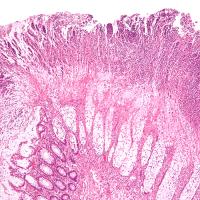
Your stomach is full of tiny organisms that live in peace and harmony with your body – but what happens when the peace is disrupted?
Microscopes and Microorganisms
How would you study something that you can't see? Until the 1600s, biologists could only study what their eyes could see. That meant they could study plants and animals they saw. They named different kinds of animals and knew which plants did what. They could also make guesses about why people got sick. Some of those guesses were pretty strange. Many biologists thought bad air made people sick!
Mud may look boring, but it has a lot more going than you might think. Some clays can kill bacteria, but exactly why they could wasn't clear. Scientists tested whether bacterial killing ability of some clays is due to the ions attached to them.
 Ryan LaMarca
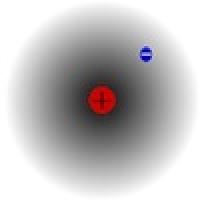
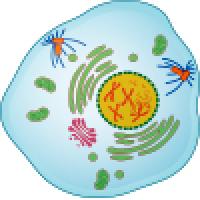
This set of bits will teach you about the tiny pieces that you are made of: your very own cells.
 CJ Kazilek

Let the Germs Begin
Satina Sund
Vanessa Vierkoetter
Esmeralda Manzano
Julie Dunlap
Germs are tiny organisms that can make you feel sick and cause disease. During this activity you will illustrate the steps germs take during transmission. You will learn about the different types of bacteria, how they are spread, and discuss ways to keep from getting sick.

Puzzling Pathogens
Steven Hart
You know you're sick, but what might you have? Is it bacteria, fungi, or viruses that are causing your illness? Learn about the differences between these pathogens and about how certain medicines can treat some, but not others.Also in: Español

Yogurt to the rescue!
Has a doctor ever suggested that you "Eat some yogurt!" when you’re sick and taking antibiotics? It’s a smart thing to do. Yogurt is chock-full of protein, vitamins, and calcium. It’s also a superb source of good, helpful bacteria. Another word for these good bacteria is probiotics.

Indiana Jane: Uncovering Mysteries of Ancient Disease
Kelly Harkins
The past can be hard to remember, so how can we go about studying it? Indiana Jane takes us on a tour of humans from the past, ancient microbes, and the bioarchaeologists that study them both.
Also in: Español