Plosable Articles

PLOSable Biology

Scientists are learning new things every day. They are also writing about their discoveries. In most cases they publish in science magazines called journals like the Public Library of Science (PLOS). In our PLOSable section you will find stories that will help you read and explore the articles written by scientists.

Now jump in and start exploring PLOSable - a place where firsthand science is only a mouse click away. If you're interested in diving even further into the world of the scientific article, check out our Anatomy of an Article story. We also have stories exploring articles in evolutionary medicine in our EvMed Edits section.

Fish Out of Water

Written by: Daniel Maas

Fish use their two fins and a tail to glide through the ocean, but some fish like the mudskipper use their fins for flopping across land too. Scientists are investigating how fish evolved limbs to walk on dry land.

Fishy Vanishing Act

Written by: Rianna Mergens

Some ocean dwelling species are starting to go extinct. Scientists are researching whether how many species there are in an ocean environment has anything to do with this fishy vanishing act.

Flight of the Bumblebees

Written by: Jennifer R. Craer

It's pretty easy for people to find their way around, but is it easy for insects? Researchers are finding that even without maps and navigation devices, bumblebees can usually find the best route to take when collecting pollen.

Fly Immune Issues in Space

Written by: Pooja Kadaba Ranganath

Exploring space is exciting but are there drawbacks for astronaut immune function? Scientists are investigating how spaceflight affects immunity in fruit flies.

Foraging in the City

Written by: Elizabeth Cook

Birds in the city seem to have endless options of places to eat. How do they choose, and where do they prefer to eat most?

Fossils Rewrite History

Written by: Leslie Minton

Scientists thought that flying reptiles known as Pterosaurs were slowly dying off before an asteroid caused a huge die-off on Earth. But new fossils found in Africa tell a different story.

Foxfire's Ghostly Call

Written by: Elodie Batt

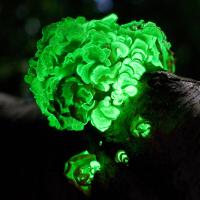
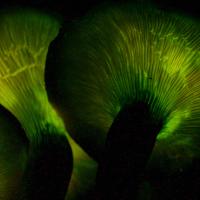
Strange greenish lights can be seen at night in the forest. But who are these pre-planned signals for?

Friend or Foe: Fish Facial Recognition

Written by: Melinda Weaver

Most humans can determine whether or not they know someone by looking at her or his face. Scientists have discovered that humans are not the only animal with this ability. The cichlid fish can also use facial differences to tell each other apart.

Game On!

Written by: Jonathan Herrea

Time flies when you're having fun, especially when playing video games. Researchers examine how it is that gamers can lose track of time playing their favorite video games.

Give Your Brain a Break

Written by: Meenakshi Balakrishnan

Is there such a thing as too much time on the Internet? Scientists are studying the affects of Internet use and how it can be addictive for some people.

Giving Bees a Sweet Tooth

Written by: Nicholas Baker

This could bee - yes, bee - a key to our sweet tooth and possibly a way to learn more about diabetes.

Glow-in-the-dark Plants

Written by: Alison Willis

Some organisms, like this fungus, are able to glow, as if they were from an alien planet. But until recently, plants couldn't glow. Learn how scientists have found a way to make plants glow here on Earth.

Half Man, Half Machine: Becoming Robotic

Written by: Daniel Maas

Have you wondered if it was possible to be a cyborg? Half man and half machine? Scientists are conducting experiments to see how brains control robotic limbs.

Hey, I Know You!

Written by: Melissa Brisbin

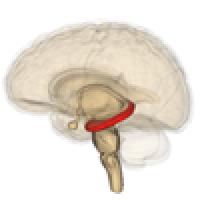
Even a toddler can recognize his mother's voice on the phone, but what parts of the brain help match voices and faces in your brain?

Hot Flashes in the Ocean

Written by: Ben Petersen

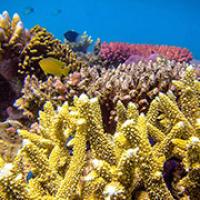
What happens when the ocean gets really hot, really fast? Every few years, the El Niño pattern heats up the ocean quickly. Now global warming is also having an impact on coral reefs.

How Stem Cells Affect Cancer

Written by: Heather Geissel

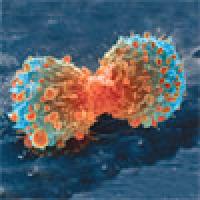
Cancer is a disease that affects a lot of  people. But there are still many things that scientists don’t understand about it. The goal of this experiment was to see how stem cells are involved with the growth and spread of cancer cells. 

Hungry Mosquito Habits

Written by: Chanapa Tantibanchachai

West Nile virus is spread by mosquitoes and becomes more common in humans during the summer months. Is there a connection between the feeding habits of mosquitoes and the spread of the virus to humans?

Hunting for Deadly Bacteria

Written by: Kathryn Michelle Benavidez Westrich

We usually worry about getting sick from other people or from spoiled food. But did you know that some animals, like rats and mongooses, can make you sick too?

I Spy With My Little Eye...

Written by: Juliana Goenaga

Do you notice when your brother or sister take stuff from your room? Even if they put it back, you can still see those small differences. Scientists are studying what part of your brain is responsible for seeing those kind of changes.

If You Give a Mouse McDonalds...

Written by: Samantha Hauserman

Have you ever wondered what makes one animal different from another?  Scientists conducted an experiment and found that food is one of the reasons chimpanzees and humans are so different.

Anyone can use PLOS and PLOS Biology. You do not have to pay to read articles online or to download and print them. With PLOS and PLOS Biology you have first-hand access to the latest science.

Want to write a PLOSable story? Take a look at our Notes to Authors and Artists.

Learn how to read a scientific article

Be Part of
Ask A Biologist

By volunteering, or simply sending us feedback on the site. Scientists, teachers, writers, illustrators, and translators are all important to the program. If you are interested in helping with the website we have a Volunteers page to get the process started.

Donate icon  Contribute

Share this page