Plosable Articles

PLOSable Biology

Scientists are learning new things every day. They are also writing about their discoveries. In most cases they publish in science magazines called journals like the Public Library of Science (PLOS). In our PLOSable section you will find stories that will help you read and explore the articles written by scientists.

Now jump in and start exploring PLOSable - a place where firsthand science is only a mouse click away. If you're interested in diving even further into the world of the scientific article, check out our Anatomy of an Article story. We also have stories exploring articles in evolutionary medicine in our EvMed Edits section.
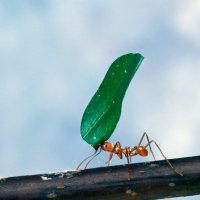
Can City Ants Handle City Heat?

Written by: Jordan R. Glass

Large cities are often hotter than their rural surroundings, so what does that mean for city animals? At least for ants, it looks like these city dwellers may be better prepared to take the heat.

Can Marine Algae Change with the Climate?

Written by: Colleen Musialski

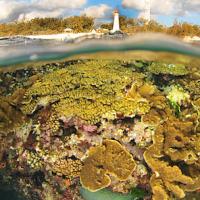
Earth’s changing temperatures are affecting animals on land, but they are also affecting other areas. Dive into the marine world with us to explore the effects of rising temperature and ocean acidification on algae.

Cancer Cells on the Move

Written by: Erin M. Campbell and Bojana Gligorijevic

Cancer cells decide how to behave by “listening” to signals around them.  Scientists recently studied these signals by watching cancer cells as the cells moved through their environment. 

Cells Divide to Stay Alive

Written by: Daphne Newell, Jadon Gonzales, Danielle Brister

Instead of giving birth to a child, bacteria divide in half when they grow old, creating two new bacteria cells. But bacteria become damaged as they age just like humans do, so where does all this damage go?

Cellular Fountain of Youth

Written by: Benjamin Katchman

Did you ever think the search for the “fountain of youth” would end up inside of our very own cells? There are some scientists that have found that parts of our cells might hold the answer to aging and diseases like cancer.

Choosing Words Wisely

Written by: Ben Pirotte

How careful are you with your words? Scientists are figuring out how to choose words more wisely to have a better chance to stop certain diseases.

Colorful Copycat Frogs of Peru

Written by: Kyle Summers

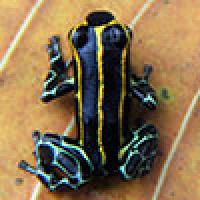
Peruvian poison frogs mimic, or look like, other poison frogs that live in the same area. But they don't just look like one other species. Depending on the location, frogs of this species may mimic one of many other species of poison frog.  

Combining Senses

Written by: Malte Bieler and Ileana Hanganu-Opatz

Our daily life depends on the ability to see, hear, feel, and smell at the same time, a skill that develops during childhood. In this article scientists studied how the brain develops the ability to combine sensory information. 

Coping with Parasites in a Wild World

Written by: Adam Hayward

How do wild animals defend themselves against infections? Biologists studied a wild population of sheep to work out whether being tolerant of infections could be as good a strategy as killing infections.

Countdown to Disaster in Marine Food Webs?

Written by: Tin Hang (Henry) Hung

Our oceans are becoming warmer and more acidic. How might these changing conditions put marine food webs in danger?

Decoding Emotions in the Brain

Written by: Patrick McGurrin

Signals from the brain have been used to help scientists understand how people see, move, and make decisions. In this experiment scientists tested whether they could also use these signals to record a person's emotional state. Would they be able to detect fear, surprise, sadness, and more by looking inside the brain?

Defending Desert-dwellers

Written by: Madeline Sopa

Cacti live in one of the harshest climates on the planet: the desert. Scientists are investigating how we can make life easier for these desert-dwelling plants.

Diabetes Protein Puzzle

Written by: Randal J. Kaufman, Philip Li, Justin Hassler

Diabetes affects nearly one tenth of the population in the United States, but we still have a lot to learn about the disease. Researchers are finding that a lack of specific proteins might reduce our abilities to absorb sugar, making it a key player in the diabetes problem.

Do You Have a Caveman's Brain?

Written by: Ceara O'Brien

How much has the human brain changed from the brains of our ancient ancestors? Evolutionary psychologists think that the modern human brain has not changed much over the past 50,000 years, but other scientists disagree.

Does Playing Music Reduce Stress?

Written by: Shannon L. Jewell

Everyone gets stressed. Many of us find that listening to our favorite song usually brightens up our mood. Scientists wanted to study whether music can actually affect stress levels in the body. 

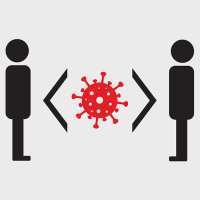
Does Science Support Social Distancing?

Written by: Kyle Polen, Sarah Weiss

How well does social distancing work to control a global pandemic? With people’s lives turned upside-down due to COVID-19, many have been left to wonder if social distancing is worth it.

Doggie Diversity

Written by: Emilio Galan

Scientists are finding out that even though dogs look very different on the outside, what causes them to look that way is much similar than we thought.

Eat More, Sleep More

Written by: Alexis Abboud

Could it be your stomach and not your brain that is keeping you up at night? Scientists are learning that for some species, the effects of sleep loss may depend on how much fat an animal stores.

Fatty Foods May Lead to a Leaky Gut

Written by: Meli'sa Crawford

Fatty foods may be delicious but if we eat too much, the white blood cells in our guts can be destroyed. Learn more about the disease this can cause called “leaky gut”.

Feeding the Beast: How Germs Eat for You

Written by: Nicholas Jakob

When it comes to digesting your food, you may think that your body does all of the work by itself. In reality, your gut is full of helpful bacteria that help break down your food and keep you healthy.

Anyone can use PLOS and PLOS Biology. You do not have to pay to read articles online or to download and print them. With PLOS and PLOS Biology you have first-hand access to the latest science.

Want to write a PLOSable story? Take a look at our Notes to Authors and Artists.

Learn how to read a scientific article

Be Part of
Ask A Biologist

By volunteering, or simply sending us feedback on the site. Scientists, teachers, writers, illustrators, and translators are all important to the program. If you are interested in helping with the website we have a Volunteers page to get the process started.

Donate icon  Contribute

Share this page