Plosable Articles

PLOSable Biology

Scientists are learning new things every day. They are also writing about their discoveries. In most cases they publish in science magazines called journals like the Public Library of Science (PLOS). In our PLOSable section you will find stories that will help you read and explore the articles written by scientists.

Now jump in and start exploring PLOSable - a place where firsthand science is only a mouse click away. If you're interested in diving even further into the world of the scientific article, check out our Anatomy of an Article story. We also have stories exploring articles in evolutionary medicine in our EvMed Edits section.

Stinky Tricks of Parasitism

Written by: Victoria Kent

Raising a kid is hard work, so wouldn’t it be easier to have someone else raise them for you? Some wasps do exactly this.... but to pull this off, they need the help of a disguise.

Students, Brains, and Science

Written by: Patrick McGurrin

Many people know that the brain is important. But what does it really do, and who has a brain? In this article, scientists investigated what students think about these questions to try to understand how much they know about the brain. 

Sugary Surprises from RNA

Written by: Pooja Kadaba Ranganath , Rosario A Marroquin-Flores

RNA is an important molecule that often helps your body make proteins. But RNAs aren’t all the same—some may help your immune cells fight off infections by providing them with extra sugar.

The Nose Knows

Written by: Stephanie Outlaw

With their tails wagging and noses sniffing, can dogs tell what we can't with our eyes? These scientist wanted to find out the answer.

The Push for Perfection in Breast Cancer Screening

Written by: Giselle Lee

Breast cancer screening that is built around each patient’s needs and risks may be more successful in diagnosing a disease early. In this experiment, scientists studied a new strategy to help to better identify people at risk for breast cancer.

The Tadpole or the Egg?

Written by: Gordon Lau

We used to believe that tadpoles always came from jelly-like eggs laid by frogs. However, scientists recently discovered that tadpoles don't always come straight from eggs.

Think Fast!

Written by: Garrison Leach

What motivates you? We hear this question a lot, and scientists decided it was time to find out. They tested which parts of the human brain are involved in creating feelings of motivation. 

Tick Bacterial Trick

Written by: Karla Moeller

Some ticks carry a nasty bacteria that they can pass on to humans when they bite. Learn how the health status of the humans they bite helps control what they pass.

Tigers are Grrrrreat!

Written by: Rachel Caspar

Most people grow up seeing tigers on TV and in zoos, but as endangered species, what is being done to protect tigers in the wild? This article examines the Six Percent Solution.

Tiny Tricks Battle Brain Cancer

Written by: Tanja Eisemann

Little things can make a big impact. Learn how scientists found a way to smuggle a tiny treatment for brain cancer past the body’s defenses.

To Grow or Not to Grow GMOs

Written by: Sharyn Horowitz

Growing crops for a living can be a bit of a gamble. Do farmers who use genetically modified seeds have better results?

Trees Get By with Ant Aides

Written by: Elizabeth G. Pringle

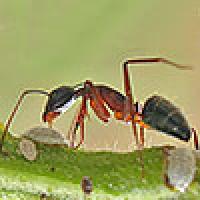
Plants need help to get by when water is limited. For some plants it is their ant partners that come to their aid. This relationship provides benefits for both the plant and the ant.

Trouble in the Tropics

Written by: Anika Larson

There tend to be more bugs in areas with warmer, tropical climates. The people in these areas also tend to be sick more often, and even have lower incomes. Scientists wanted to see if there was a relationship between the bugs in these tropical climates and people.

What’s the Link Between Music and Your Brain?

Written by: Annika Vannan

People like different types of music, but can the type of music you like be controlled by your style of thinking?

When Ecosystems get Fishy

Written by: Eric Moody

Animals that are moved around by the activity of people can affect the places they end up. This article discusses the effects one particular fish has on the river ecosystems where it is introduced.

When Great Apes High-Five

Written by: Tin Hang (Henry) Hung

Bonobos and chimpanzees look a lot alike and they use similar gestures or movements to communicate. But do the same gestures always mean the same thing?

When the Flu Gets Cold

Written by: Chanapa Tantibanchachai

People always seem to get the flu more often during the colder months. Scientists set out to investigate why the flu virus is more common when it's cold outside. 

Where Are the Insects?

Written by: Terri Tang

Insects are found in both rural and urban environments, but do they have a preference? Scientists are studying how urban environments affect an insect's chances of survival. 

Where Did the SARS Coronavirus Come From?

Written by: Michelle Di Palma, Megan McCaughan, Kimberly Olney, Emily Webb

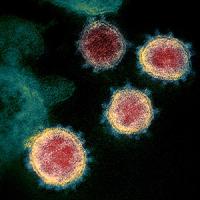
Viruses are everywhere, and most are harmless, but that isn’t the case for the SARS coronavirus. Where did this virus come from?

Who Needs Sleep Anyway?

Written by: Lindsey O'Connell

Do we really need to sleep? What about other animals? Scientists examine whether sleep is really necessary, and what happens when animals do sleep.

Anyone can use PLOS and PLOS Biology. You do not have to pay to read articles online or to download and print them. With PLOS and PLOS Biology you have first-hand access to the latest science.

Want to write a PLOSable story? Take a look at our Notes to Authors and Artists.

Learn how to read a scientific article

Be Part of
Ask A Biologist

By volunteering, or simply sending us feedback on the site. Scientists, teachers, writers, illustrators, and translators are all important to the program. If you are interested in helping with the website we have a Volunteers page to get the process started.

Donate icon  Contribute

Share this page